
The moral architecture of 'Nuremberg': A conversation with film editor Tom Eagles
How precision and performance shaped one of Tom Eagles’ most demanding edits.

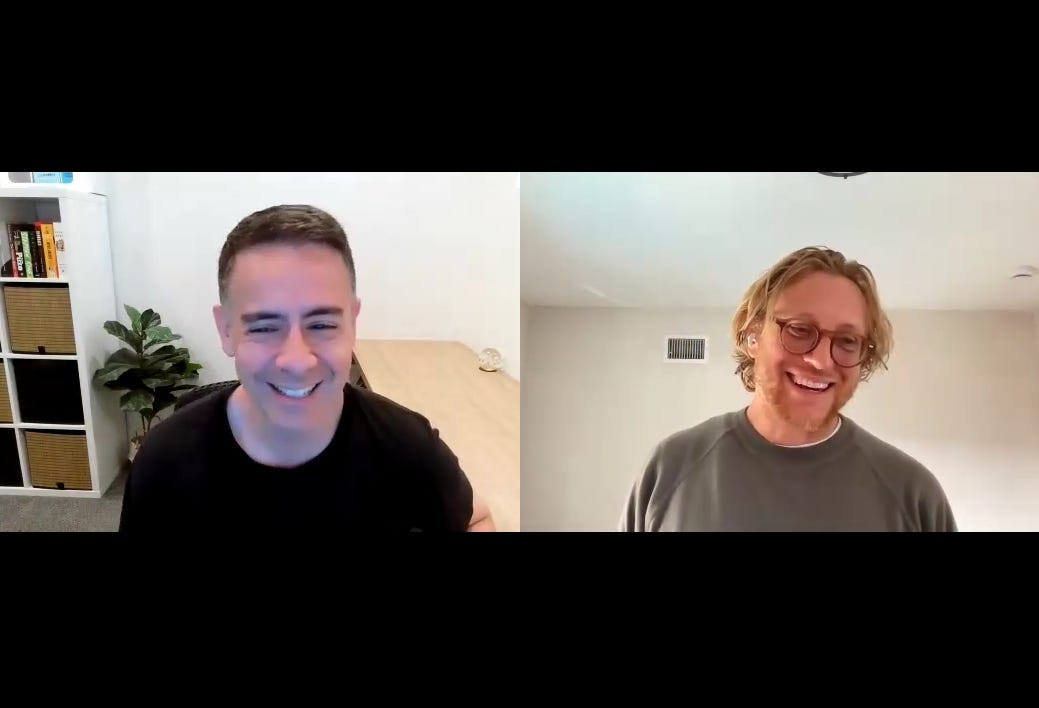
Known for his Oscar-nominated work on Jojo Rabbit, Tom Eagles has built a reputation for finding the emotional heartbeat beneath even the most stylized narratives. With Nuremberg - James Vanderbilt’s ambitious new drama starring Oscar winner Rami Malek as U.S. Army psychiatrist Douglas Kelley and Oscar winner Russell Crowe as Hermann Göring - Eagles faced one of the toughest challenges of his career: turning history’s darkest chapter into a cinematic meditation on empathy, accountability and human frailty.
The period drama, based on author Jack El-Hai’s 2013 book The Nazi and the Psychiatrist, also stars Leo Woodall, John Slattery, Mark O’Brien, Colin Hanks, Wrenn Schmidt, Lydia Peckham, and Richard E. Grant. It follows Kelley as he studies Göring in the aftermath of the war, as the Allies prepare for the Nuremberg trials.
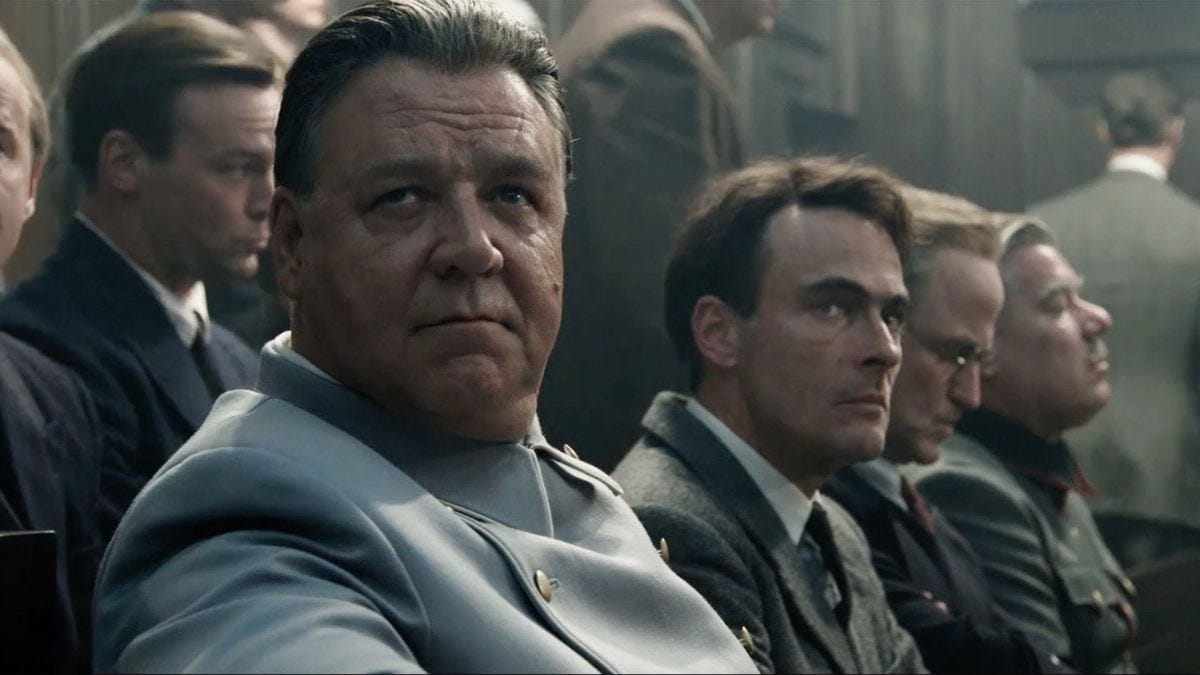
Because Crowe brings a real gravitas and intensity to every scene, Eagles worked to locate his internal mindset beneath that power. "His performance was stunning,” Eagles says. “It’s very rare that you get a performance that is so whole; that lands whole. We editors do a lot of work to create performances and support performances. This was really all there, and it was always a question of modulation. Like, take four would have that little facial twitch, and take six would have something different. We were always just trying to walk on the side of, this man was very charming, and we wanted people to feel that, and feel charmed by him, and feel drawn in by him in the same way. Then, after the fact, you realize what a monster he is, and you can start to see how these people came to power, which is a big subject of the film.”
The archival footage from the trial shifted everything. It wasn’t material to adapt as much as it was material he wanted to protect. “It was a constant balancing act,” Eagles explains. “The original film that showed in the courtroom was an hour long. I think we had about 8 minutes’ worth projected. I felt at a certain point I needed to go back to the original film and make sure we had the right images. But how much is too much, where it starts to feel like exploitation? It was a very fine line,” he says. “I think, in the end, the scene is about 6 minutes. It’s not just about the duration, it’s also about the pacing and the space in the scene, so we’ve really tried to make it feel ponderous, we didn’t fill up the soundtrack, for example. You could hear a pin drop in that movie theater. You can hear the odd shift of someone in their seat. You can hear the projector going. I think the only point at which we considered making it more ‘punchy’ or ‘exciting’ was right at the beginning.” After Eagles cut together that more dynamic edit, it was Vanderbilt that suggested he pare it back. “We just need to show the images as they are, as unadulterated as possible. I was very glad, in retrospect, that he walked me back from that stylistic intervention.”
Eagles talks about editing like observation; watching for what a moment might reveal once urgency fades. His approach on Nuremberg trusted stillness and for the audience to stay with him. That restraint is where the film quietly finds its power. By trusting the human response, and in doing so, Nuremberg finds an emotional pulse in the pauses rather than the crescendos. It’s really stellar work.
Watch the full interview below:
Listen here:
If you enjoyed this interview, hit subscribe, leave a comment, and share your thoughts. I’d love to know what you think of the film.
Stay tuned for more conversations, where we go deeper into the stories shaping film, television, and the people who bring them to life.